
The project · How the Hypereditions are made
On a single page, everything the portal offers on a work: the text of the National Edition, the manuscript, the printed editions and their variants, the concordance, the commentary and the multimedia resources.
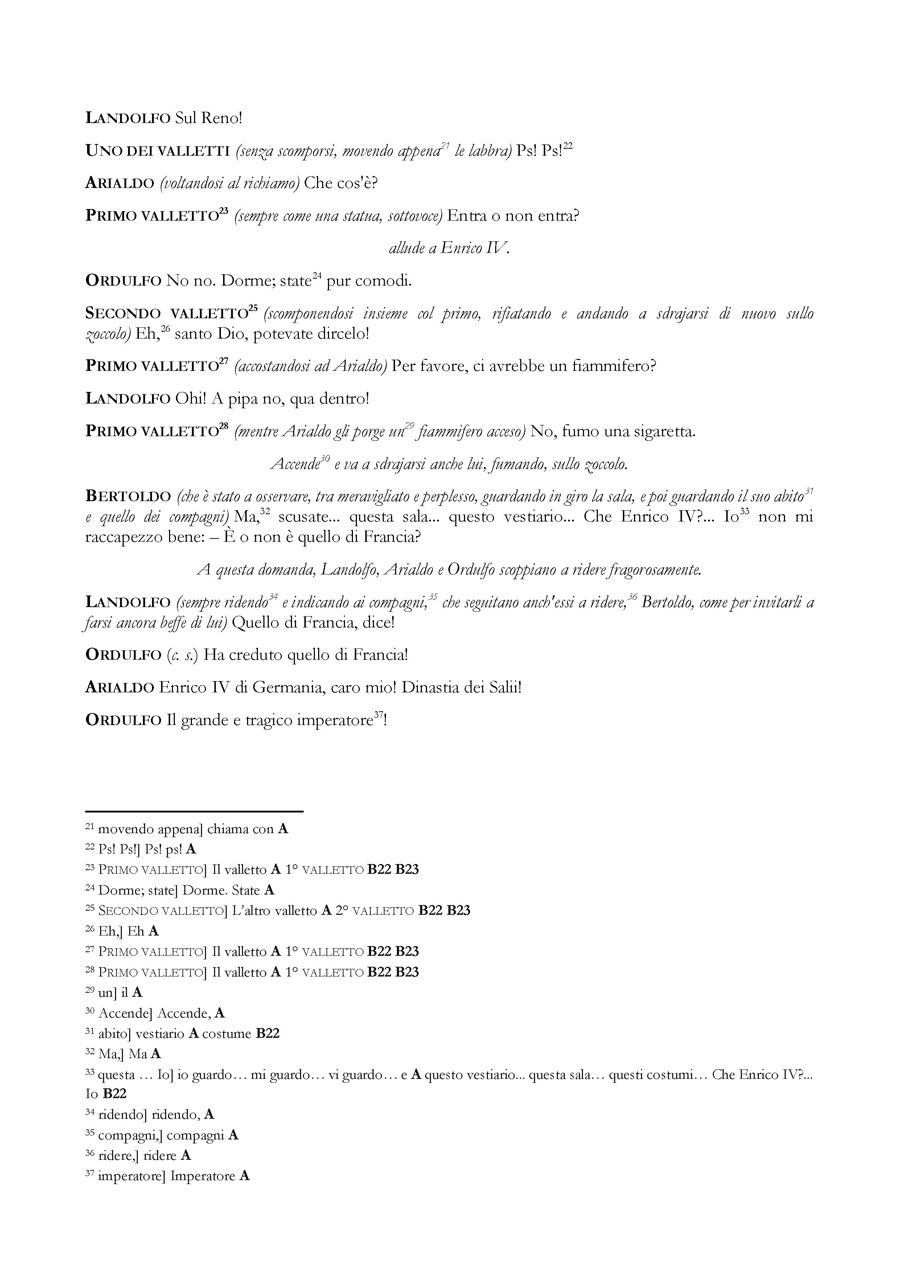
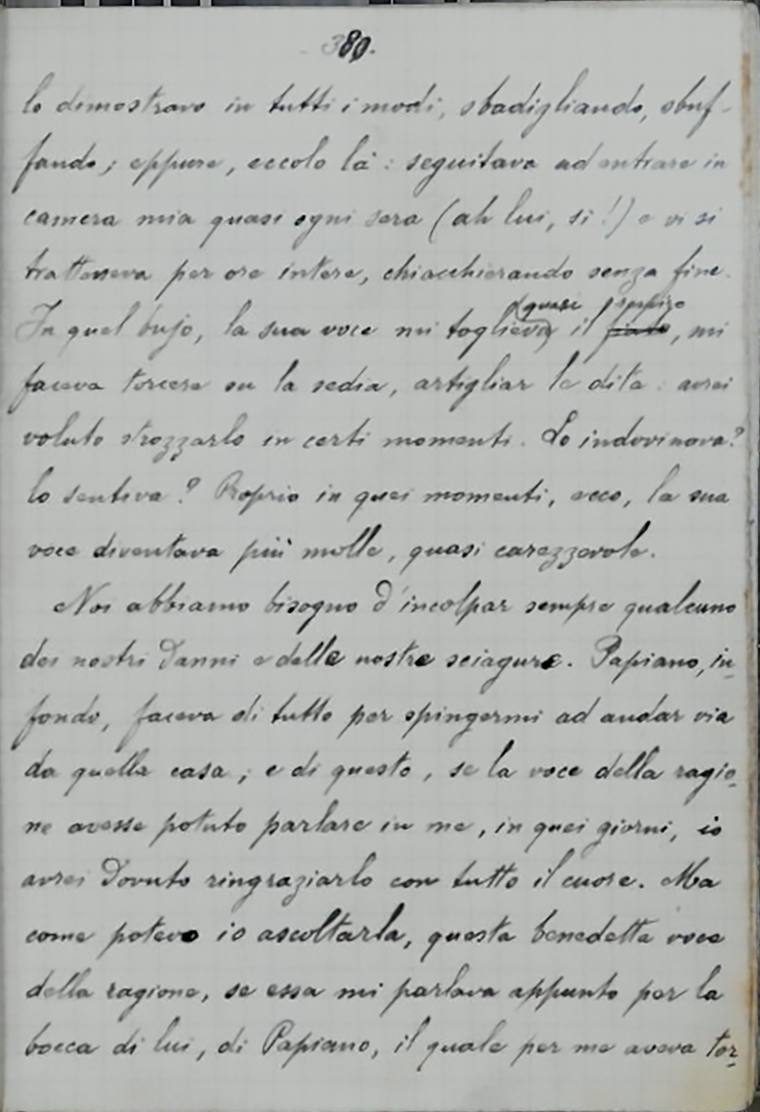
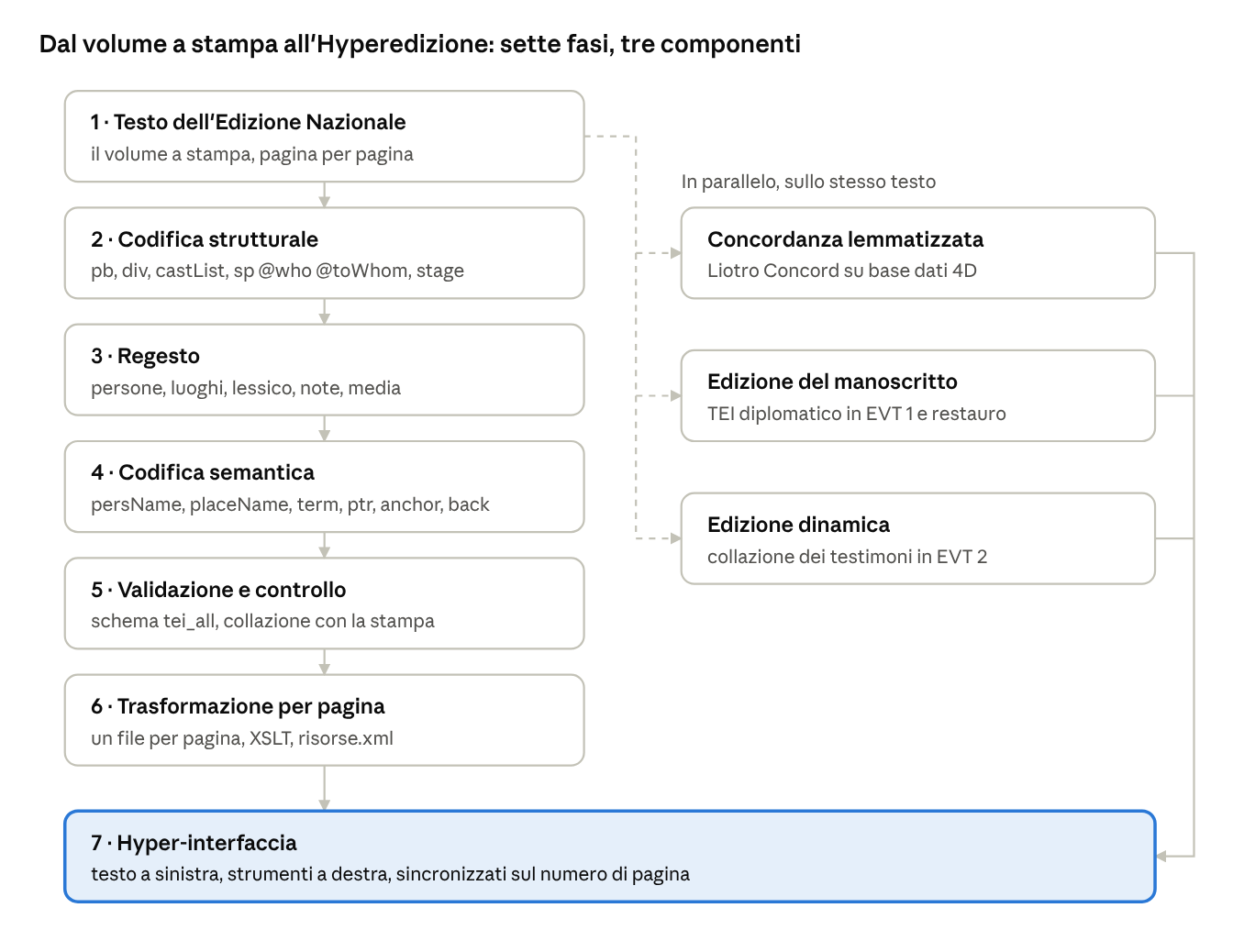
The Hyperedition is the culmination of a National Edition conceived together with its digital complement. The printed volume and the digital environment, designed by the same editors, do not replace each other but work together: the book offers the critical text, while the digital edition hosts what the printed page cannot contain. First tested with Il fu Mattia Pascal, the Hyperedition goes beyond the archive edition, in which manuscripts, editions, vocabularies and resources lived in separate sections, and gathers them in a single space, synchronised with the page of the book. It is not a closed product but a process, open to new works, new resources and new interpretations: a tool in the service of the text and its readers.
Further reading: Christian D'Agata, Antonio Di Silvestro, Antonio Sichera, Edizione critica, edizione digitale, hyperedizione. «Il fu Mattia Pascal» come paradigma dell'Edizione digitale dell'Opera Omnia di Luigi Pirandello, in «Bollettino del Centro di studi filologici e linguistici siciliani», 33 (2022), pp. 263-280.
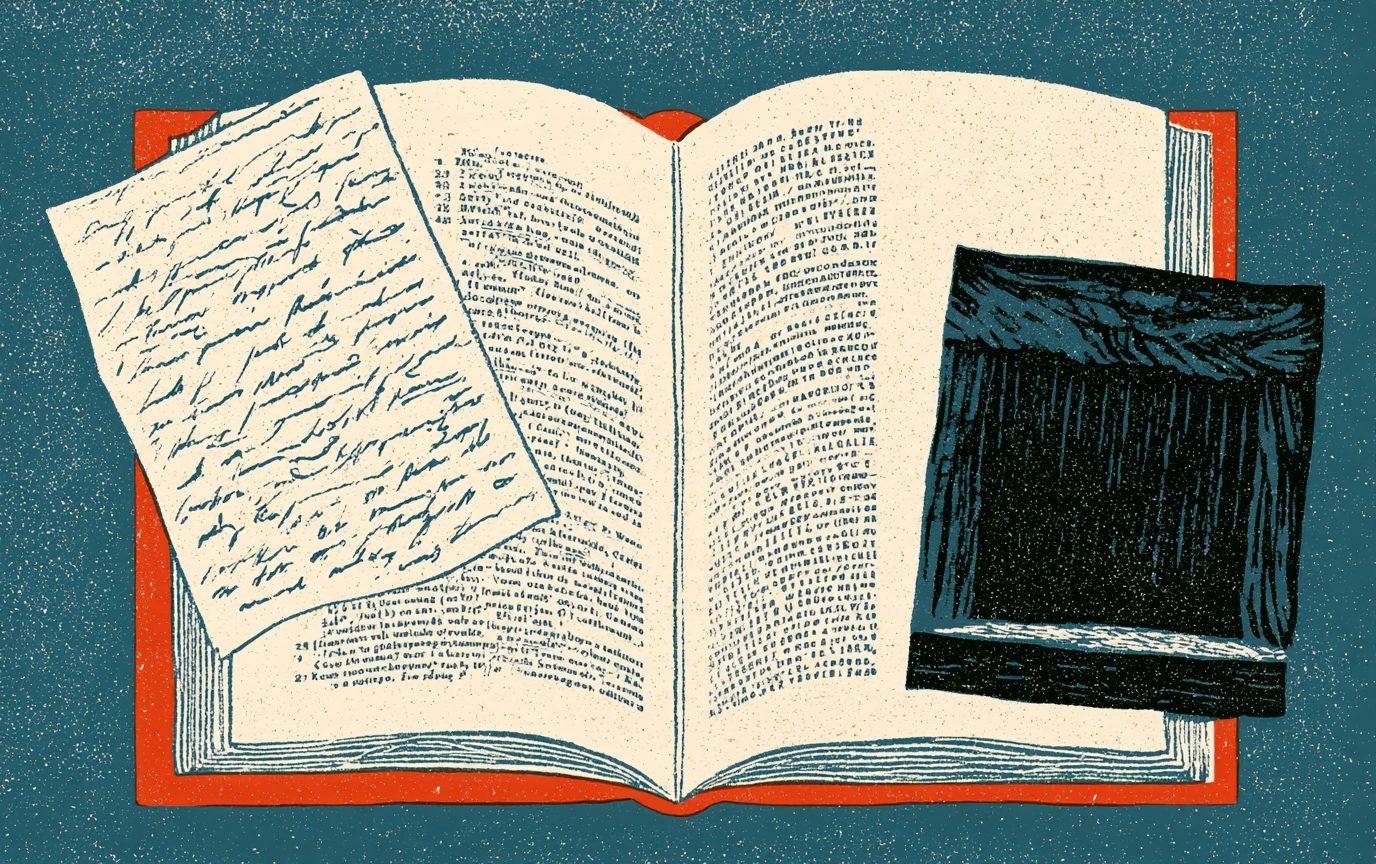
Which text do we read, and how were manuscripts, variants and commentary handled?

No direction is subordinate to the others: readers can place themselves at any point in the history of the text.
The manuscript: image of the leaf, diplomatic transcription, digital restoration of the deleted passages.
The critical text, in the form of the printed volume and in the encoded collation of the witnesses.
The lemmatised concordance, with frequency lists and statistics for the work and the corpus.
The commentary, the entries on characters and places, audio and video resources, learning paths for schools.
Hyper: above, and on behalf of. The Hyperedition does not replace the immersive reading of a great book: it supports it and leads the reader back to the text.
Luigi Pirandello, Il fu Mattia Pascal. Hyperedizione, a cura di Giuseppe Canzoneri, Christian D’Agata, Antonio Di Silvestro, Miryam Grasso, Antonio Sichera, Alessandro Zammataro, in «Edizione digitale dell’Edizione Nazionale dell’Opera Omnia di Luigi Pirandello», diretta da Antonio Sichera e Antonio Di Silvestro, Milano, Mondadori, 2023, ‹https://www.pirandellonazionale.it/hyperedizione-il-fu-mattia-pascal/› (data ultima consultazione).
Each component (manuscript, digital critical edition, apparatus, concordance, commentary) is cited in the same way, with its own name in place of «Hyperedizione» and its own editors. The citation is given in Italian, as it appears in the edition.
Credits and citations of Il fu Mattia PascalAll credits, work by workThe XML-TEI files and the commentary texts are released under a Creative Commons BY-NC-SA 4.0 licence. Images of the manuscripts remain subject to the conditions of the institutions that hold them.
The sources will be deposited in an archive with a DOI.