
A national edition with a digital complement
The National Edition of Pirandello's Complete Works, established by the Italian Ministry of Culture (MiBACT) at the end of 2016, was conceived together with its digital complement. This is neither the usual book with an online «extension» nor a digital edition that relegates print to a niche product: the Mondadori volumes (critical edition and Oscar paperbacks) and the digital environment are designed by the same editors and are permanently integrated.
The printed edition, which by choice does not reproduce the full apparatus of variants, finds in the digital edition room for what the printed page cannot contain. The digital edition, in turn, is not an inert repository of what was left out of the book: it is a dynamic and interactive scholarly environment.
From the archive edition to the Hyperedition
Pirandello Nazionale began as an archive edition: a portal giving access to manuscripts, editions, vocabularies and teaching resources, each with its own interface. Our position did not follow the opposition between the reconstruction of a critical text with apparatus and the diplomatic reading of individual witnesses. It was a compromise between the two aims distinguished by Shillingsburg: representing the documentary history of the text and establishing the text the author intended.
The next phase was the Hyperedition: making those sections permeable until they merge into a single page-space. The problem is not only technical. It is a way of thinking of the edition as a process rather than a product, which remains open to new works, new resources and new interpretations.
A plural text, four directions of knowledge
The Hyperedition presents a «multiple» text, not in order to deconstruct it but to bring it closer to the reader along four directions:
Documentary
The text-and-image edition of the autograph witnesses, with diplomatic transcription and digital restoration of the deleted passages.
Textual
The critical text, both in the static form of the digitised printed edition and in the dynamic form of the encoded collation of the witnesses.
Lexical
The breakdown of the text in the lemmatised concordance, with frequency lists and statistics for the work and the whole corpus.
Hermeneutic and educational
The linguistic and thematic commentary, the entries on characters and places, audio, video and theatre resources, and learning paths for schools.
None of these four directions is subordinate to the others. Readers can place themselves at any point in the history of the text: this is why, with Vanhoutte, Mancinelli and Pierazzo, we speak of an ergodic or plural edition, able to present the text in more than one way.
The advantages of the digital we pursued
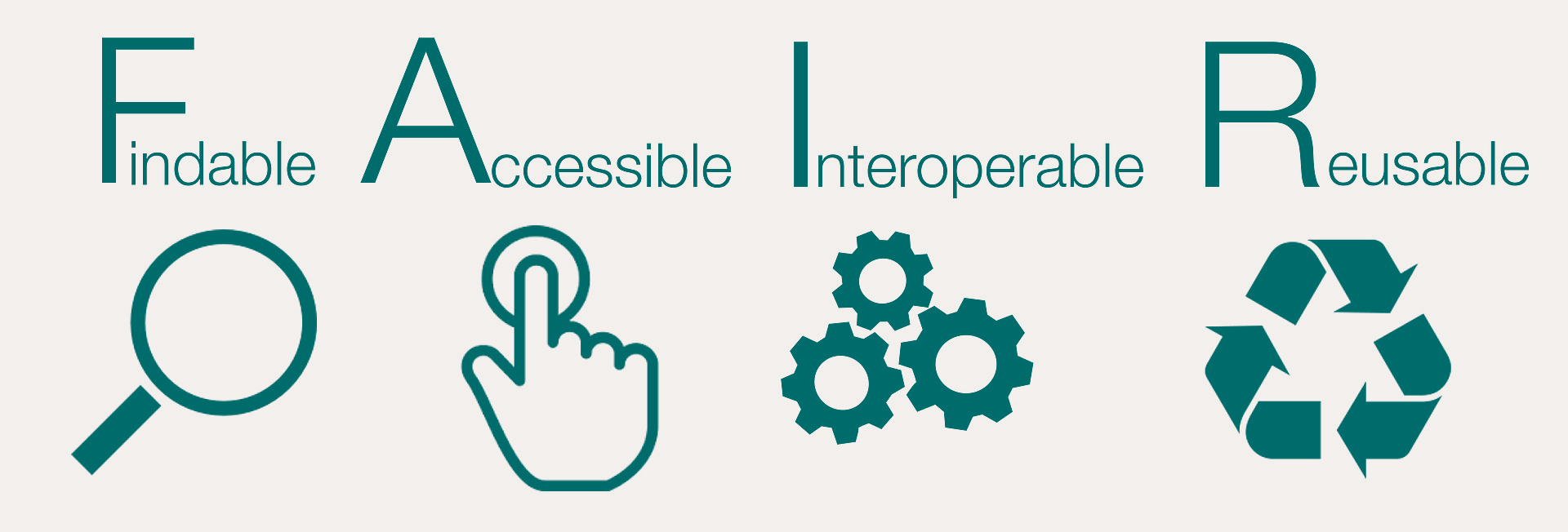
In the design we sought to bring together the five advantages that Marina Buzzoni attributes to the digital edition:
- the amount of data that can be handled, which no book could publish;
- the relatability of the data, linked and processed quickly and precisely;
- interoperability, guaranteed by the XML-TEI standard;
- multimediality, which brings audio, video and images into the edition;
- interaction with the user.
Hyper: above, and on behalf of
In the Greek preposition hyper we keep two meanings together. The first is superordination: a higher level that coordinates the individual resources. The second is «on behalf of»: the Hyperedition is a tool of service, a diakonia directed to the text, to its word and its semantic possibilities, and to its readers, specialists and non-specialists alike.
In this sense the Hyperedition is a place designed to be left behind. It does not replace the immersive reading of a great book: it supports it and leads the reader back to the text, to its pleasure and its force.
A reader-oriented edition
Pirandello's readers are students, teachers, scholars and enthusiasts, with different skills and purposes. This is why usability is scalable: the philologist finds the critical edition in its familiar form and the collation of the witnesses; the student finds an essential commentary, multimedia resources and immediate access to the meaning of words.